

Training Courses

 Transport operations make up over 70% of an organization’s logistics expenses. Properly managing transportation is essential for growth and sustainability. Transport management is one of the most challenging roles in the industry, demanding expert knowledge, ongoing learning, resilience, and strong skills. The industry is fast-paced, with frequent updates in vehicles and logistics systems, requiring fleet and transport managers to adapt constantly.

Having identified the need, MDV Fleet, a leading provider of customized training solutions for the Transport and Logistics industry in Tanzania, develops and delivers comprehensive and practical training programs to enhance the knowledge and skills of individuals in the logistics sector. We are committed to staying innovative by consistently updating our services to meet our clients’ and the industry’s evolving needs. This dedication ensures flexible, tailored solutions that precisely address each client’s and industry’s requirements.

Our Courses

Advanced Defensive Driving Training

Master safe driving skills that prevent accidents and save lives.

Duration: 3 Days

Vehicle Maintenance Awareness and Management.

Keep vehicles reliable and efficient with smart maintenance practices.

Duration: 5 Days

Vehicle Acquisition, Utilization, and Disposal Management.

Manage your fleet’s lifecycle for maximum value and performance.

Duration: 5 Days

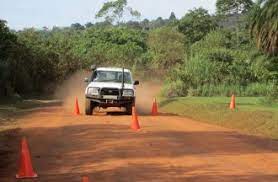
Four-Wheel Drive (4WD) Off-Road Training

Drive safely and confidently on any off-road terrain.

Duration: 4 Days

Road Accident Investigation course

Learn how to investigate and prevent road accidents effectively.

Duration: 5 Days

VIP Driving Protocol and Etiquette Training.

Train for professional, safe, and discreet VIP chauffeur service.

Duration: 5 Days

Transport Management Training Course.

Gain key skills to lead and optimize fleet operations.

Duration: 5 Days

Eco-driving course

Cut fuel costs and emissions with eco-driving techniques.

Duration: 2 Days

Transport Safety Management course

Build and maintain strong transport safety systems and culture.

Duration: 5 Days

Other Services

Drivers

Assessment & supply of vetted professional drivers.

Training courses

Practical, applied courses for safer, efficient transport operations.

Telematics

Real-time fleet data and compliance-first inspections.

Vehicles

Reliable vehicle inspections — pre-purchase, technical, and safety.

Advanced Defensive Driving training

Defensive driving is a proactive approach to driving that emphasizes safety and accident prevention. This training program aims to equip drivers with the skills and knowledge to anticipate potential hazards and react effectively.

Objectives

  • To promote a safety-first culture throughout the organization.
  • To reduce insurance costs and liability by minimizing accidents.
  • Empower drivers to take responsibility for their own safety and the safety of others on the road.

Training goals

  • Awareness: Increase drivers’ awareness of their surroundings and potential risks.
  • Decision-Making: Improve critical thinking and decision-making skills in realtime driving situations.
  • Risk Reduction: Significantly decrease the likelihood of accidents through enhanced skills and knowledge.

Vehicle Maintenance Awareness &Management

Course Objectives:

Upon completion of this course, participants will be able to:

  • Understand the importance of vehicle maintenance for safety, reliability, and durability.
  • Identify key components of a vehicle and their maintenance requirements.
  • Perform basic vehicle maintenance tasks, such as checking fluid levels, tire pressure, and brakes.
  • Recognize signs of vehicle wear and potential maintenance issues.
  • Develop a vehicle maintenance schedule and plan.
  • Utilize maintenance logs and records to track vehicle maintenance history.
  • Address minor vehicle issues and perform roadside repairs when necessary.
  • Understand the importance of environmental considerations in vehicle maintenance.
  • Promote a culture of proactive vehicle maintenance within their organization.
  • Develop an action plan for implementing effective vehicle maintenance practices.

Vehicle Acquisition, Utilization & Disposal Management Course.

Course objectives.

By the end of this training course, participants will be able to:

  • To understand principles and best practices of vehicle acquisitions, including need assessments, vehicle specifications, procurement processes, and financing options.
  • Apply strategies for optimizing vehicle utilization through data-driven planning, performance monitoring, route optimization, and driver management.
  • Implement an effective vehicle maintenance system to reduce downtime, extend asset lifespan, and ensure compliance with safety and regulatory standards.
  • Evaluate the total cost of ownership and make informed decisions about vehicle replacement, resale, and end-of-life asset management.
  • Use advanced technologies like telematics, transport management systems, and analytics tools to enhance real-time decision-making and operational transparency.
  • Develop and apply policies, procedures, and performance metrics that support efficient, safe, and accountable vehicle operations.

Four-Wheel Drive (4WD) Off-Road Training

Driving off-road means facing unique risks that standard driver training doesn’t address. This comprehensive course transforms everyday drivers into confident, capable off-road operators who understand not just how to drive, but how to assess risks, protect expensive company vehicles, and make sound decisions when help is hours away.

Course objectives.

At the end of this training course, participants will be able to:

  • Apply critical skills like reading terrain to prevent rollovers.
  • Manage vehicle dynamics on side slopes.
  • Recovering stuck vehicles safely and navigating everything from deep mud to rocky tracks, water crossings to wet sand.
  • Understand how to inspect and prepare vehicles properly.
  • Manage loads for stability.
  • Use recovery equipment without creating workplace hazards.
  • Develop the judgment to know when to proceed and when to find another route—potentially saving the organization from costly vehicle damage, workplace incidents, and productivity losses.

Road Accident Investigation course

Road accident investigation is vital in understanding how and why crashes are happening, and how you can prevent them. This course provides the skills to attend and manage a traffic crash scene, learn about the various marks left on the roadway, how they are caused, and what they mean.

Participants will understand how and why vehicles move as they do after impact and be able to place the vehicles back at their impact positions. Participants will gain the skills to complete sketch and scale plans, and learn how to photograph a scene correctly.

Course objectives

After completing this course, participants will be confident to:

  • Investigate traffic crashes and provide robust information on what happened, how it happened, and why.
  • Attend and manage the traffic crash scene.
  • Understand the meaning of marks left on the roadway and how they are caused.
  • Photograph the crash scene and complete the sketch and scale plan precisely.
  • Conduct the crash Root Cause Analyses (RCA).
  • Suggest the appropriate traffic crash prevention techniques.
  • Plan and execute safe recovery of the vehicle involved in an accident.
  • Action the post-crash response plans.

VIP Driving Protocol and Etiquette Training.

In today’s fast-paced corporate and diplomatic world, first impressions and seamless service are not just expected but essential. Executive drivers play critical roles in ensuring that high-level guests, executives, and dignitaries experience professionalism, safety, and comfort at every stage of their journey. This specialized training equips drivers with the skills and confidence to deliver world-class chauffeuring and VIP protocol services that reflect positively on their organizations.

Objectives.

  • Understand the core principles of protocol, diplomacy, and VIP management.
  • Apply best practices in official driving etiquette, convoy handling, and flag protocol.
  • Demonstrate proper behavior, grooming, and posture when interfacing with highlevel personalities.
  • Plan and execute VIP transportation with high precision.
  • Align protocol and driver behavior with the organization’s brand image and expectations.

Transport Management Training Course.

Course objectives:

At the end of this course, participants will:

  • Understand the strategic objectives of fleet management and clearly define the responsibility and impact of a fleet manager in supporting organizational goals.
  • Design and implement a preventive maintenance program to improve vehicle uptime, reduce operational costs, and extend lifespan.
  • Assess and establish the organizational needs of fleet workshops, including layout, staffing, and workflow for effective vehicle servicing and repairs.
  • Develop and manage a comprehensive fleet safety program, including driver recruitment, training, performance monitoring, and compliance with safety standards.
  • Apply capital budgeting and financial analyst techniques to evaluate vehicle replacement decisions and optimize fleet investments.
  • Use root optimization methods and tools to increase delivery efficiency, reduce fuel consumption, and enhance service levels in distribution networks.
  • Identify, define, and monitor key performance indicators (KPIs) to evaluate and improve fleet performance, including fuel efficiency, downtime, and reliability.
  • Integrate technology and data analytics in fleet operations, leveraging telematics for real-time decision making.
  • Address environmental sustainability considerations in transport planning, including emission reduction and adoption of eco-friendly fleet policies.

Eco-driving course

Want to cut fuel costs and support environmental sustainability? Check out our all-inone Eco-driving course. Suitable for individual drivers and fleet operators, this course offers essential tips and strategies to drive more efficiently and save money.

Objectives

Upon successful completion of this course, participants will be able to:

  • Drive in an Eco-Safe manner: Apply eco-driving principles to minimize fuel consumption and decrease environmental impact. Adopt driving habits that promote sustainability and contribute to reducing carbon emissions.
  • Implement fuel-saving techniques: Utilize various techniques to achieve significant savings on fuel costs, benefiting both personal and organizational budgets. Implement strategies to extend the lifespan of vehicles, reducing maintenance and replacement expenses.
  • Drive safely and efficiently: Demonstrate safe driving practices that reduce the risk of accidents and contribute to improved road safety. Develop skills to drive efficiently, optimizing fuel usage while maintaining compliance with traffic laws and regulations.


Eco-Driving Course Covers the Following Areas.

  • How to be a proactive driver and anticipate what’s ahead.
  • Fuel efficiency driving techniques.
  • Advanced vehicle optimization.
  • Staying safe on the road using the latest techniques

Transport Safety Management course

Motor vehicle crashes are a leading cause of death and injury for people of all ages. Accidents on and off the job have wide-ranging financial and emotional effects on employees, their coworkers, families, and employers. To prevent this, every organization operating a vehicle fleet must create and implement a Fleet Safety Plan. 

This course covers key elements of a Fleet Safety Program and offers tips for effective management. Giving participants knowledge and skills for establishing and maintaining a fleet safety policy that can help save lives, reduce the risk of serious injuries, protect the organization’s human and financial assets, and minimize liabilities.

Course Objectives.

At the end of this training course, participants will be able to:

  • Embed safety culture in your fleet and organization.
  • Develop and implement an effective fleet safety plan.
  • Comply with the requirements for driver selection, training, and evaluation.
  • Prepare for the upcoming requirements regarding the professional drivers.
  • Adequately select suitable vehicles for transport operations.
  • Investigate incidents thoroughly, report findings accurately, and apply lessons learned to prevent future occurrences.

Advanced Defensive Driving

Defensive driving is a proactive approach to driving that emphasizes safety and accident prevention. This training program aims to equip drivers with the skills and knowledge to anticipate potential hazards and react effectively.

Objectives
  • To promote a safety-first culture throughout the organization.
  • To reduce insurance costs and liability by minimizing accidents.
  • Empower drivers to take responsibility for their own safety and the safety of others on the road.
Training goals
  • Awareness: Increase drivers’ awareness of their surroundings and potential risks.
  • Decision-Making: Improve critical thinking and decision-making skills in realtime driving situations.
  • Risk Reduction: Significantly decrease the likelihood of accidents through enhanced skills and knowledge.