
Vehicle Safety Inspection
A vehicle safety inspection is an essential process that guarantees vehicles on the road are safe for drivers, passengers, other road users, and the environment. It includes a detailed check of a vehicle’s systems and parts to identify issues affecting human safety and the environment.
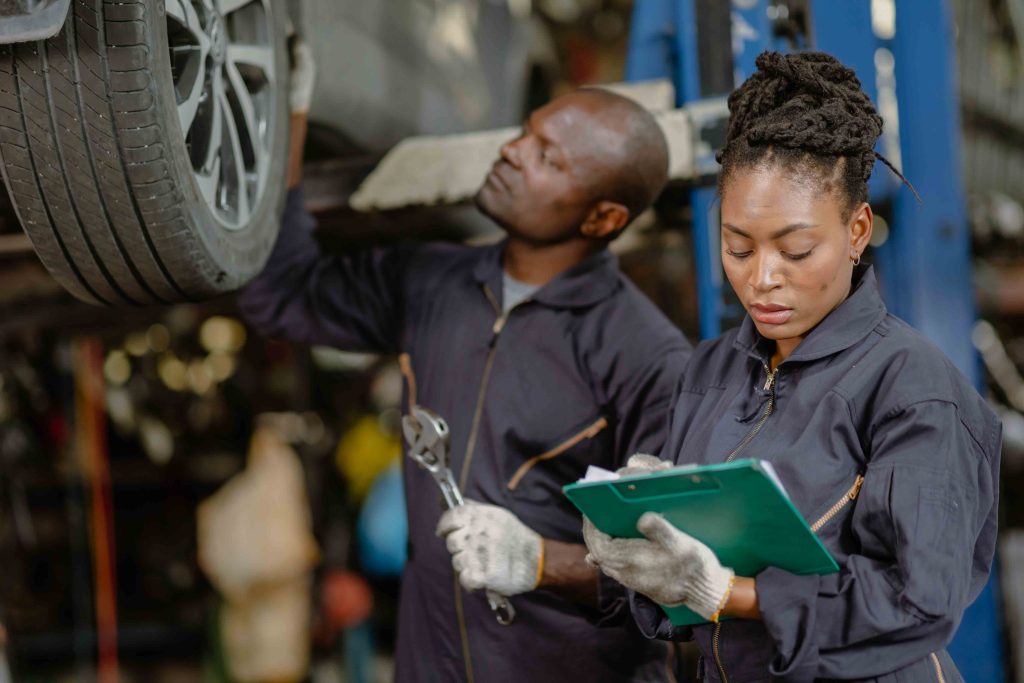
This process thoroughly examines key vehicle parts and systems, including brakes, tires, steering, suspension, lighting, and other critical elements. We use a checklist to ensure all components are inspected and tested thoroughly. If any issues or defects are identified, they are recorded in a report that specifies the required repairs or maintenance.
Benefits of Vehicle safety Inspection
Improved Safety
Regular inspections and professional driver training enhance safety for drivers, passengers, and all road users by reducing accidents and promoting responsible driving.
Reduced Environmental Impact
Well-maintained, fuel-efficient vehicles and eco-driving practices lower emissions and support environmentally sustainable transport operations.
Fewer Breakdowns & Repairs
Early detection of mechanical issues through technical inspections prevents costly repairs, reduces downtime, and extends vehicle lifespan.
Regulatory Compliance
Our services ensure all drivers and vehicles meet national transport laws, safety regulations, and industry standards for full compliance.
